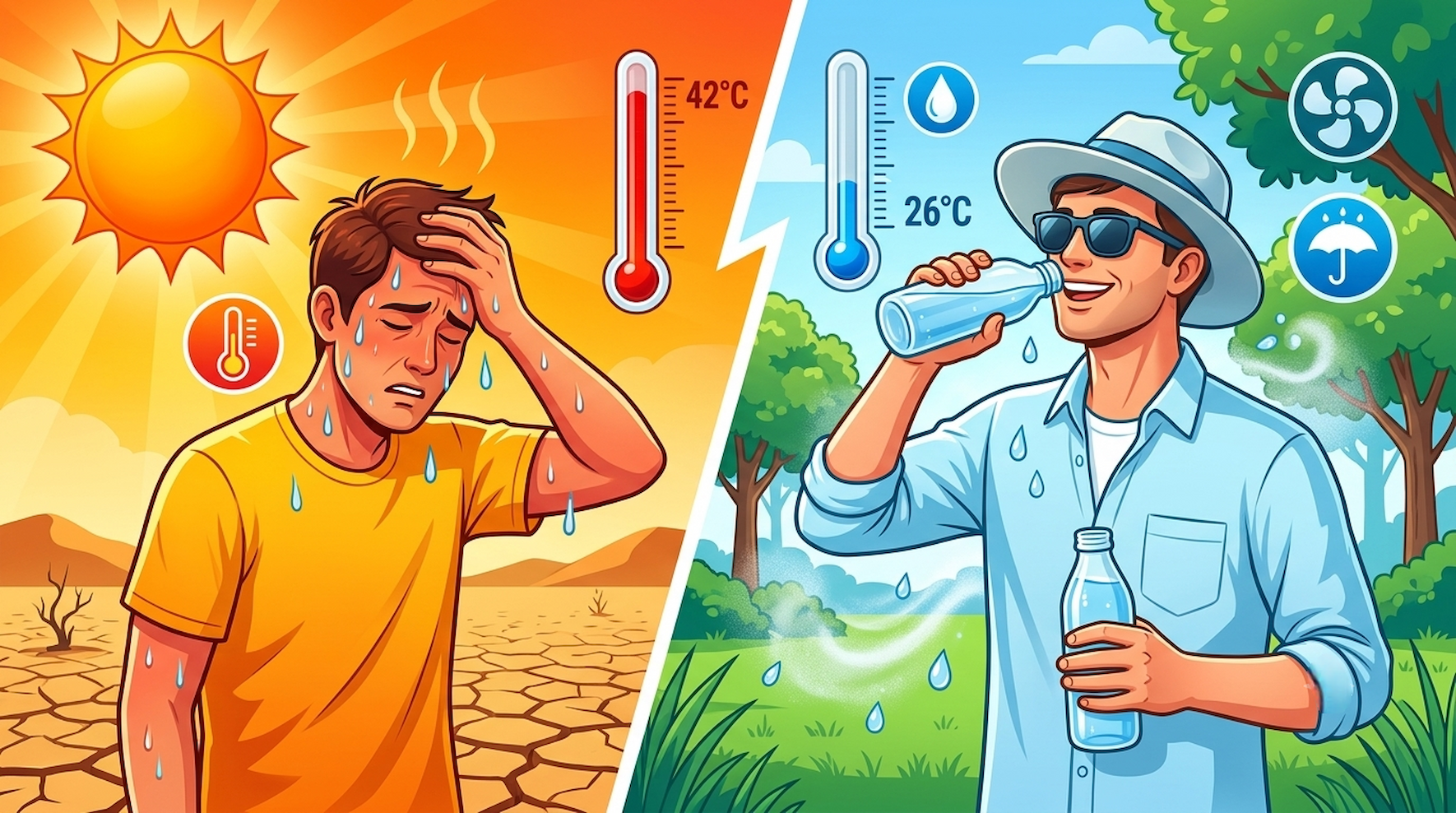
Risks of Extreme Heatwaves: A Comprehensive Guide to Preventing summer heat Dangers
With global temperatures reaching record highs, extreme summer heat is no longer just a temporary inconvenience that ruins outdoor plans—it has become a serious health concern requiring heightened awareness and proactive care. When temperatures spike suddenly, the human body struggles to cool itself down and maintain its internal thermal balance. This comprehensive guide breaks down the health risks associated with scorching weather and provides practical, actionable steps to protect yourself and your family.
Key Differences Between Heat Exhaustion and Heatstroke
Many people confuse different heat-related illnesses, but distinguishing between heat exhaustion and heatstroke is critical for providing the right medical response before symptoms escalate.
1. Heat Exhaustion
Heat exhaustion acts as an early warning signal from the body when it loses excessive amounts of water and essential minerals through heavy sweating. Key symptoms include profuse sweating, paleness, dizziness, headaches, nausea, muscle cramps, and general weakness. At this stage, the individual remains conscious and alert, with a body temperature that is normal or slightly elevated. For detailed preventive workplace guidelines, you can review the CDC Guidelines on Heat Stress.
2. Heatstroke
Heatstroke is a life-threatening medical emergency that occurs when the brain’s thermoregulatory system fails completely and sweating stops. Symptoms include hot, dry skin, severe redness, a rapid and strong pulse, and a throbbing headache. Most importantly, it causes altered mental states such as confusion, disorientation, hallucinations, or loss of consciousness. The body’s core temperature rapidly climbs above 104°F (40°C). To explore more about this critical condition, consult the Mayo Clinic Heatstroke Guide.
Read Also: The Real Secret to Tartar: 4 Practical Steps to Get Rid of It and Maintain Oral Health
Most Vulnerable Groups to Severe summer heat
While anyone can experience fatigue during a heatwave, certain population groups face a significantly higher risk of severe health complications:
- Infants and Young Children: Children’s bodies lose fluids rapidly and cannot regulate internal temperatures as efficiently as adults, making them exceptionally sensitive to temperature spikes.
- Older Adults: With age, sweat glands become less effective and natural thirst sensations diminish. Consequently, seniors are heavily impacted by summer heat without realizing they are dehydrated until it becomes critical.
- Individuals with Chronic Conditions: People with heart disease, diabetes, or kidney disorders experience additional cardiovascular strain during hot weather. Furthermore, certain medications (such as diuretics) accelerate fluid loss.
- Outdoor Workers and Athletes: Construction workers, agricultural laborers, and outdoor athletes face a double burden that combines heavy physical exertion with direct, prolonged sun exposure.
Practical Preventive Steps Against summer heat
Taking daily preventive measures dramatically reduces the chances of experiencing heat emergencies. Small adjustments to your lifestyle and diet can make a world of difference.
1. Nutrition and Hydration to Combat summer heat
- Eat Hydrating Foods: Incorporate water-rich fruits and vegetables into your meals, such as watermelon, cucumbers, lettuce, and oranges. These foods provide essential fluids and minerals that are absorbed gradually by the digestive tract.
- Eat Lighter Meals: Opt for small, frequent meals rather than heavy, high-fat dinners. Digesting large meals generates significant internal body heat.
- Maintain Regular Fluid Intake: Drink water continuously throughout the day rather than waiting until you feel thirsty. You can learn more about recommended daily hydration strategies via Harvard Health Hydration Tips.
2. Behaviors to Avoid During Heatwaves
- Limit Caffeine and Sugary Drinks: Coffee, tea, and soda act as diuretics, accelerating fluid loss from your body.
- Avoid Extremely Cold Drinks: Ice-cold beverages can trigger stomach cramps and do not necessarily cool the body down more effectively than cool water.
- Avoid Peak Sun Hours: Stay indoors or seek shade during the hottest parts of the day, typically between 11:00 AM and 4:00 PM.
Emergency First Aid Plan for summer heat Crises
When intense heat causes someone near you to suffer from heat distress or fainting, immediate action is required. Follow these essential first aid steps:
- Move to a Cool, Shaded Area: Immediately relocate the person away from direct sunlight into an air-conditioned room or a well-ventilated shaded space.
- Loosen Tight Clothing: Remove heavy or restrictive garments to promote blood circulation and facilitate skin cooling.
- Cool the Body Gradually: Apply cool, damp cloths to the neck, armpits, and groin areas where major blood vessels run close to the skin surface to reduce body temperature rapidly.
- Provide Fluids Carefully: Offer small, frequent sips of cool water if the person is fully conscious and coherent. Never force liquids on an unconscious or vomiting person.
- Call Emergency Services: If symptoms do not improve, or if the individual exhibits confusion or loss of consciousness, seek urgent medical assistance. For more emergency safety protocols, visit the American Red Cross Heat Safety Guide.
Conclusion
Ultimately, prevention and proactive awareness remain your strongest defenses against the hazards of summer heat. Implementing simple adjustments in our daily routines, prioritizing fluid intake, and recognizing early warning signs will ensure a safe, healthy, and enjoyable summer season for everyone.
Discover more from magallati
Subscribe to get the latest posts sent to your email.


